Skip to content
The Other Animal Farm

A companion to George Orwell’s Animal Farm

The Other Animal Farm

Jordan Moir

Different farm. Different system. Same result.

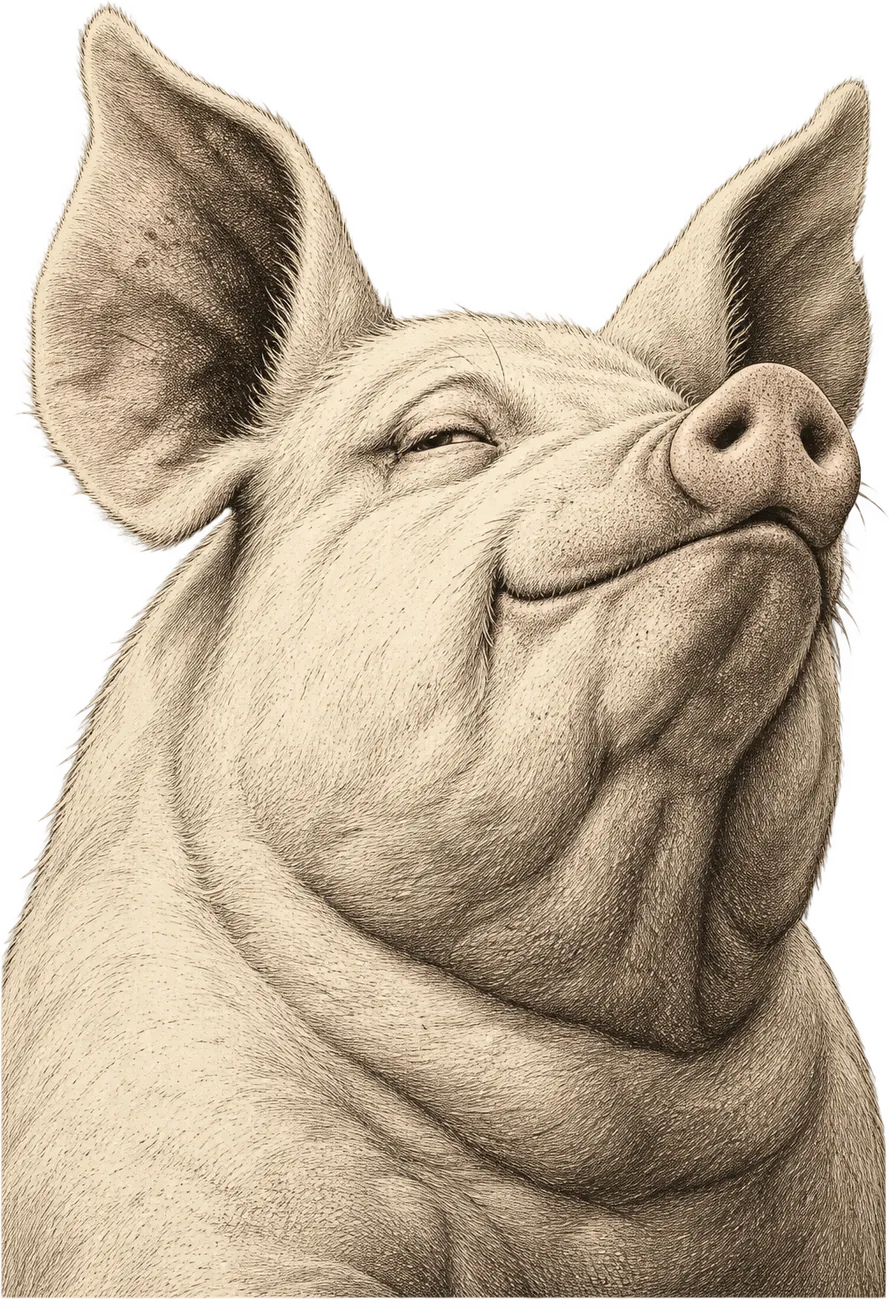
Cornhusk the pig, chin raised and eyes half closed in smug satisfaction, as on the book cover

Scroll
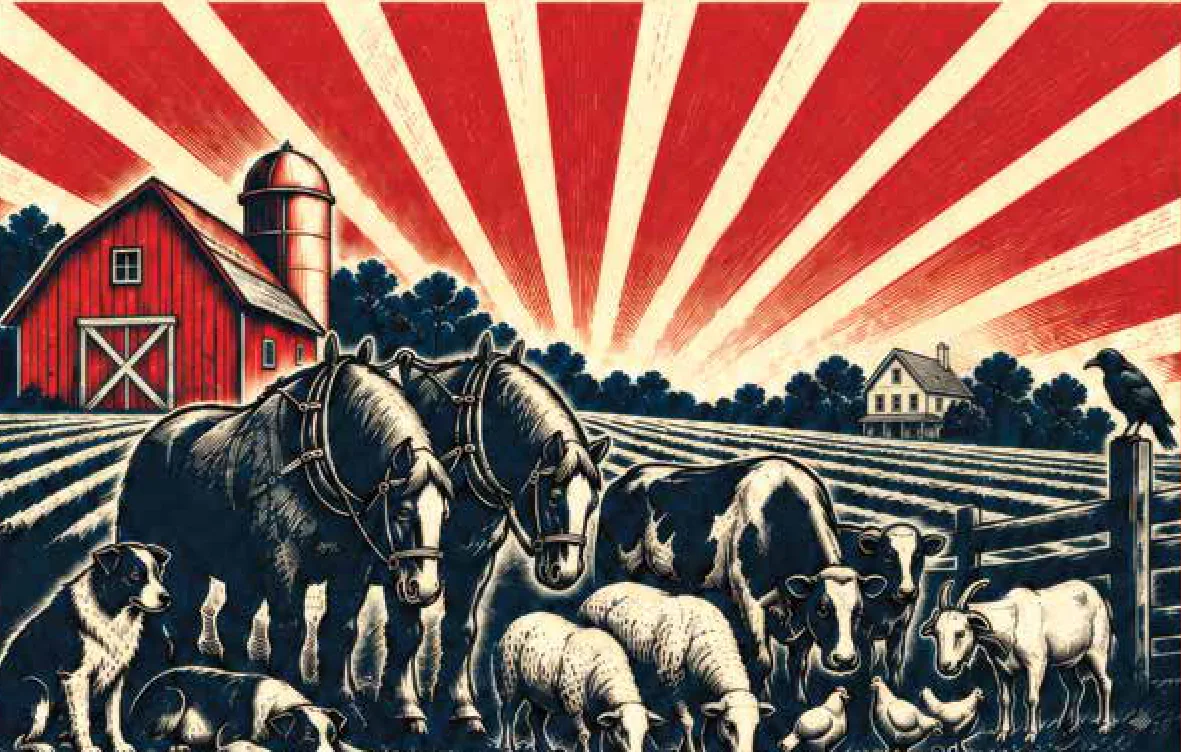
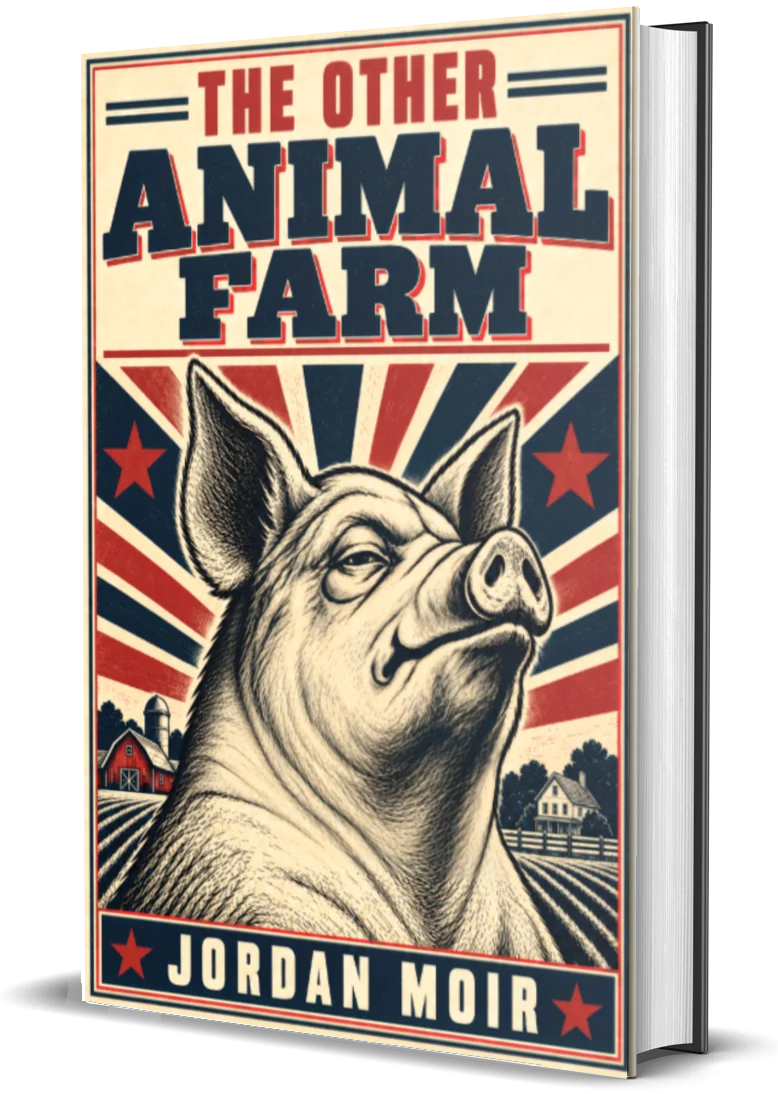
The cover of The Other Animal Farm by Jordan Moir: a smug engraved pig, chin raised, against red and navy sun rays, with a red barn and a farmhouse behind.

About the book

Seven simple rules. What could possibly go wrong?

When the animals of Hancock Farm drive out their cruel master, they swear never to repeat the mistakes of that farm across the river. This time, every animal will own its own field, trade freely at the Exchange, and elect an Assembly to guard its liberty.

Seven simple rules, painted on the barn doors. What could possibly go wrong?

But the pigs are clever with words. A white stone becomes a “dollar”, debt becomes a choice, and every rule can be clarified…

A sharp, darkly funny companion to George Orwell’s Animal Farm – for anyone who has ever been told the pie is getting bigger.

Author
Jordan Moir
Genre
Political satire
Illustrated
12 engraved illustrations
A companion to
Animal Farm by George Orwell

The first chapters

It begins, as these things do, in the barn

From Old Adams’ dream to the Battle of Animal Sovereignty, in a few short scenes.

Part I

Revolution

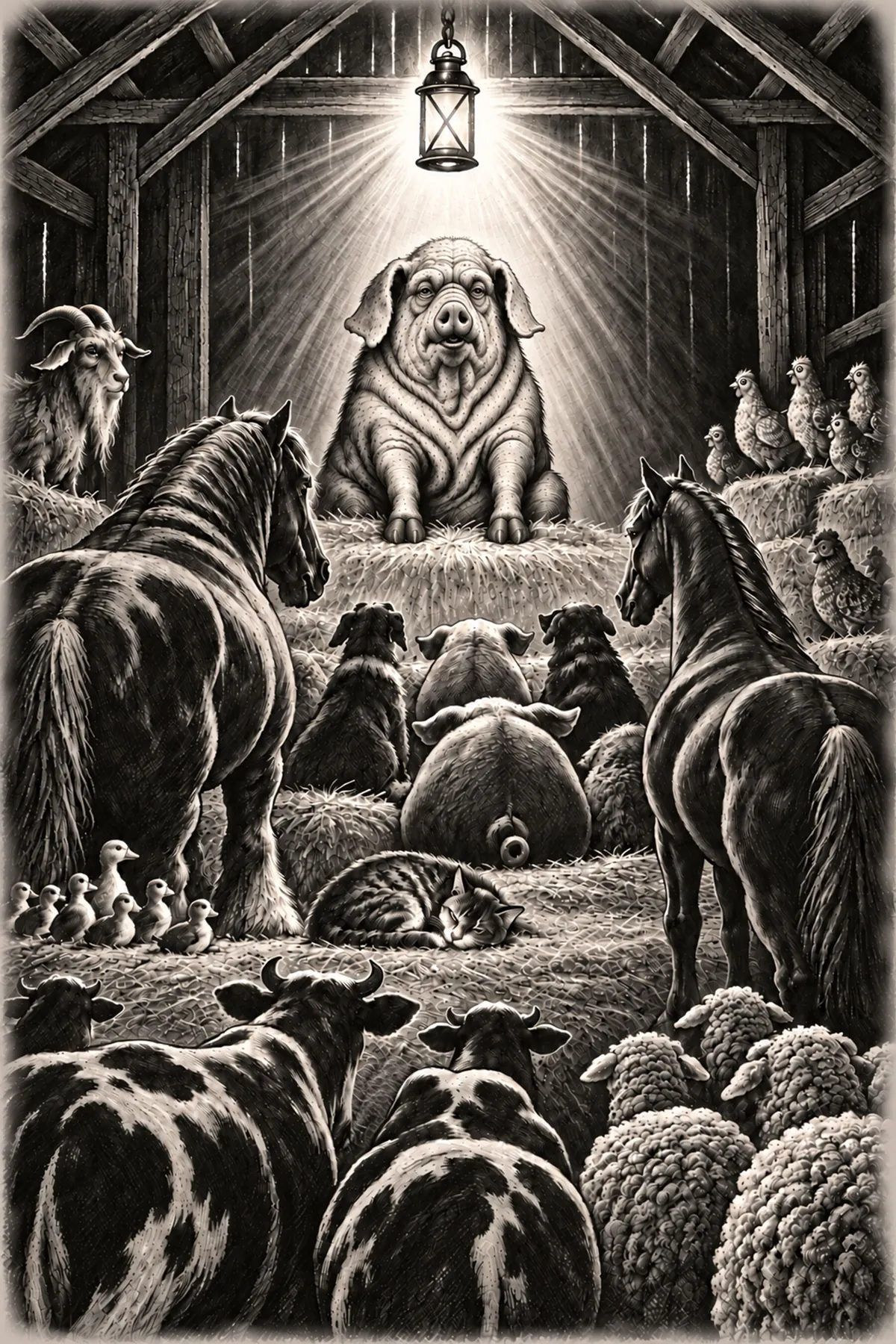
By lantern light in the barn, Old Adams sits on a platform of straw while the animals of Hancock Farm gather to listen: horses, dogs, pigs, cows, sheep, a goat, hens, ducklings and a sleeping cat.

Illustration 1 of 12

Chapter 1

Old Adams’ Dream

Farmer Argine came from a long line of farmers. His family owned farms, lots of farms, and was always looking for ways to expand its influence.

With a bumper harvest successfully completed, there was a buzz around the farm: Old Adams, a pig of some uniqueness, had called a meeting in the barn. His early years were unknown. He simply turned up on the farm one day exhausted and afraid.

The chickens found an acceptable spot on top of the bales of hay stacked to the right of the room. Not only did it make for good viewing, but it meant they were also visible to all the other animals. This, in the opinion of the chickens, was as it ought to be.

My colleagues, all of you have wondered where I came from before turning up on your doorstep all those years ago. Well, tonight I am going to tell you. An audible gasp rumbled around the animals. You heard right, my colleagues, I came to you from ‘that farm’. In fact, I was the other pig!

My colleagues, you are in control of your own destiny. The harder you work, the more you will prosper. You will be ‘The United Fields of Animals!!!’ At this, the excitement in the room boiled over and the animals started chanting “UFA! UFA! UFA!”

Old Adams died that very night with the sparkle of contentment in his eye. The next day, the animals watched in horror as Farmer Argine turned that once noble beast into rose food.

Talk of freedom was not, in fact, freedom.
Sung in the barn that night

The Animals of Our Nation

Together they feasted upon their collective wealth and sang a song, one which I will never forget, and neither should you. Old Adams

We can see by dawn’s light through the day ’til the night

A place free from fear where all animals stand bravely.

Be they horse, pig or cow, tasting freedom’s delight

All the humans now gone, who treated all of us so gravely.

We took back what was ours from the farmers so foul!

We fought day and night and in joy do we howl.

Our land is now given to those who deserve it.

Where all animals are free and in prosperity!

They sang it again (and then one final time for good measure).

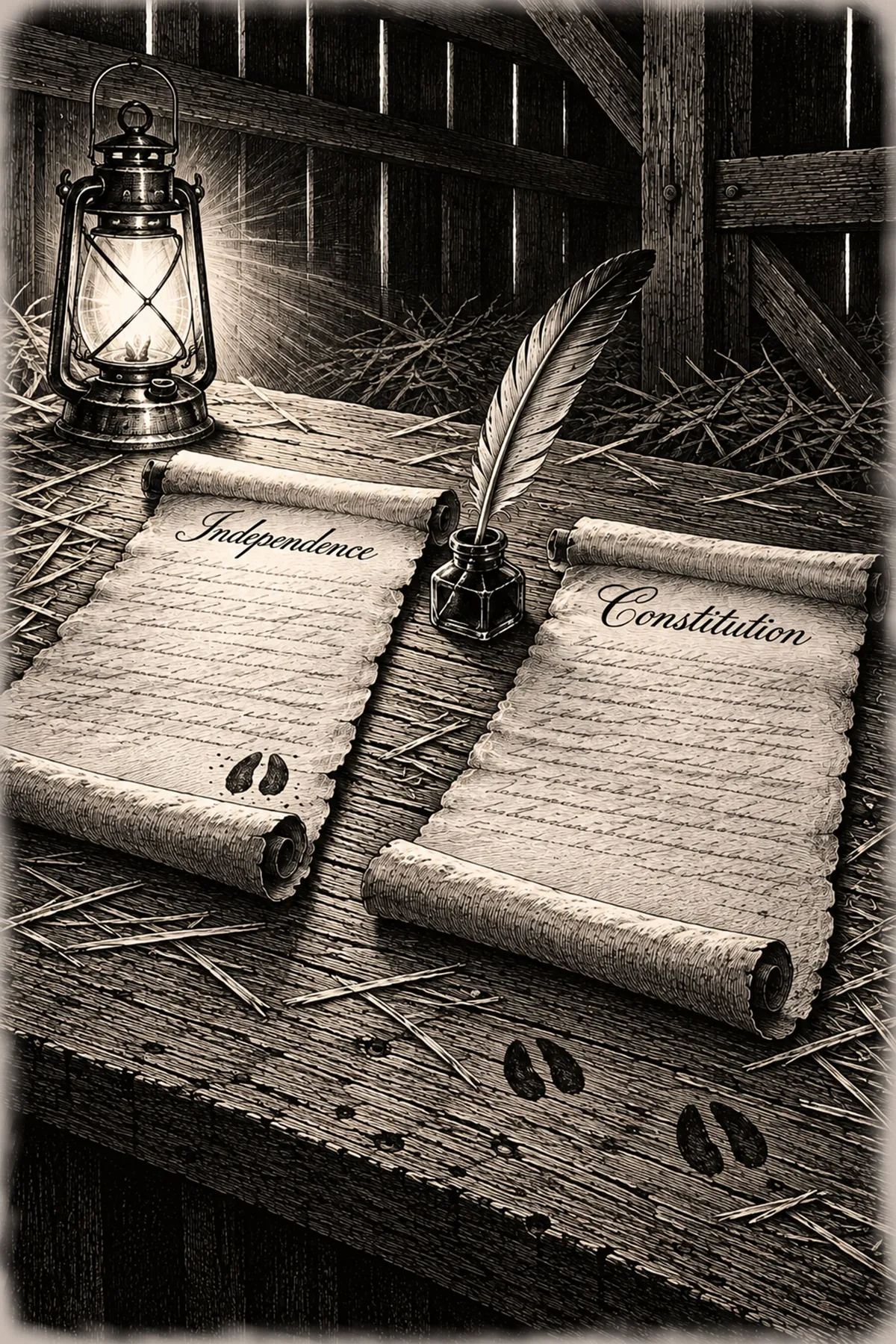
Two parchment scrolls, “Independence” and “Constitution”, lie on a barn table beside a quill, an inkwell and a glowing lantern, signed with hoof prints.

Illustration 2 of 12

Chapter 2

Produceism

The fate of Old Adams solidified in the minds of the animals that declaring their independence from Argine was something to be pursued sooner rather than later. In recognition of being the smartest of the animals, the pigs took charge.

As they did so, the pigs also turned their minds to expanding on the vision of Old Adams. Ultimately, a compromise was reached and consensus achieved. Thus, the ideology behind the UFA was named “Produceism”.

Cornhusk was a Yorkshire. A large, white pig known for getting his own way, Cornhusk was not a pig to be crossed. Milky was a Guinea Hog. He was much smaller than Cornhusk and was known for his charisma.

Screecher was by far the most garrulous of the pigs. He knew words and was expert in using them to convince the other animals of what was right.

With this decided, the animals felt the time had come to declare their independence. They sat down to write their letter and presented it to the other animals to vote on. The letter went like this:

Delivered at dawn

The Unanimous Declaration of ALL Animals on Hancock Farm with Respect to Independence from the Argine Family

  • He has taken away our young for his gain.
  • He has taken away our lives for his gain.
  • He has taken away all we produce without recompense for his gain.
  • He has fed us but little to barely keep us alive.
  • He has abused us with long work hours and enforced those work practices through the use of the whip.
  • He has failed to fairly compensate any animal for the efforts and sacrifices that have been made on his behalf.

To this declaration and to the protection of these assumed rights we do pledge to each other our lives, our future fortunes and especially our honor.

the horses the pigs the dogs the hens the ducks the cows

Once completed, a representative of each of the animals made their mark on the letter.

Under red sun rays the animals of Hancock Farm stand together by the fence: two great draft horses, cows, sheep, goats, hens, dogs and a raven, the red barn behind them.

From the cover

Chapter 3

Independence Day

None of the animals slept easily that night. Yet, as Farmer Argine opened the back door of the farmhouse the next morning to begin the work of the day, he stood face to face with every animal on the farm. From the smallest chicken to the largest horse, every animal stood determined and resolute.

Argine had expected this show of force to be enough. He expected the animals to flee in fear; they had always done so in the past. However, the animals all took a couple of steps towards the farmers. Their eyes fixed, their countenance stern.

When the gate was only fifty yards away Argine lost his nerve. He turned and fled, as did his hands. Of course, Mrs. Argine had witnessed the whole scene. She quietly packed a few things in an overnight bag and left the farm by another way.

Today we celebrate, tomorrow we work! said Milky. Yes, through our individual efforts all will profit. At this point Jefferson raised his hoof and asked a simple question, How? How will individual efforts profit us all?

Cornhusk stated Think of it like when humans bake a pie. The bigger the pie, the more pie for all. If truth be told, the animals had never tasted a human made pie, but they knew how good it smelled and that was good enough for them.

From the farmhouse the pigs led all the animals to the barn. Milky climbed the ladder, with considerable difficulty, and, in letters large enough for all to see, he wrote ‘The Constitution of the UFA’. He then proceeded to write the following seven rules:

Painted on the barn doors

The Constitution of the UFA

  1. 1. Animals are represented in the assembly by their own kin.
  2. 2. The assembly must be renewed every season.
  3. 3. The assembly shall not impinge the rights of species.
  4. 4. Animals must only exchange with other animals.
  5. 5. No animal will suffer from bondage.
  6. 6. Animals with enough must give to animals without.
  7. 7. All animals’ votes are equal.

It is upon these fundamental principles that we will establish Produceism in the UFA. Milky

Milky’s spelling and penmanship were impeccable, although he did almost fall twice and was only saved by the steadying trotter of Screecher who was on the ground holding the ladder in place.

Part II

Prosperity

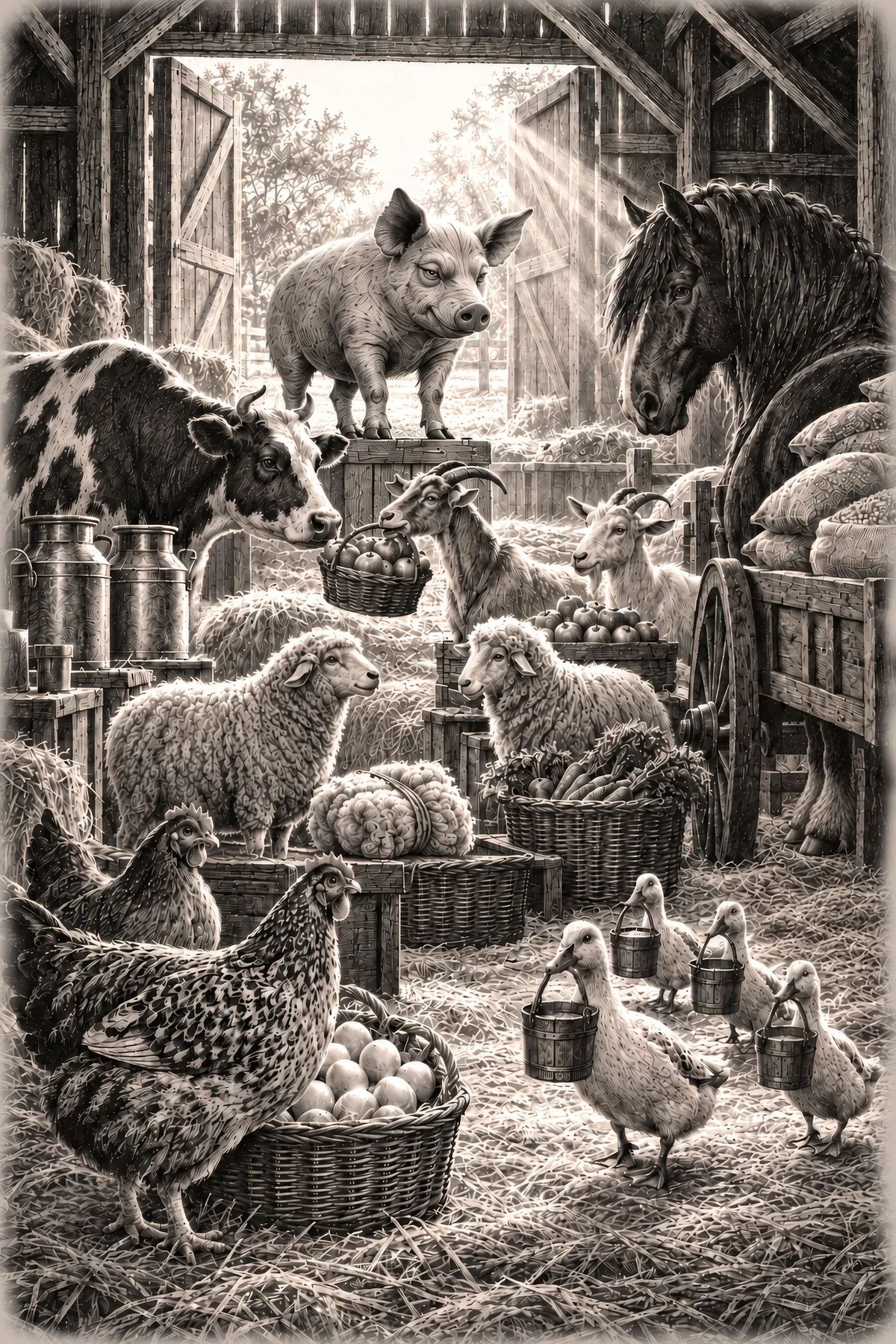
The Exchange in the barn: a pig stands on a crate while cows, goats, sheep, hens, ducks and a great draft horse trade milk, apples, wool, eggs and grain.

Illustration 3 of 12

Chapter 4

The Exchange

The assembly decided that what was once the symbol of their oppression would now become the symbol of their freedom. The Farmhouse would be renamed The Assembly House.

One of the representatives, Mike the heedless chicken (as he was known), started to head upstairs. However, Cornhusk quickly blocked his way. Colleagues, all animals live on the ground floor. To live above the ground is to place oneself above other animals and must therefore be avoided at all costs.

At the exchange, one tenth of every animal’s goods would be laid up in store for the dogs, and a further one tenth for the Assembly. A rumble of disapproval crashed across the animals. “This doesn’t seem fair!”

However, if there were any lingering doubts, Jack put an end to them. I believe in the UFA, and I believe in Cornhusk and Milky. I will do as they ask gladly. Cornhusk said nothing but, to the watchful eye, the cogs within his brain were turning.

It was decided that the first two days of the harvest would set a benchmark for production. In the future, all produce above that benchmark would be divided with the pigs receiving eighty percent of the increase. It really was a win, win situation.

On the first Sunday after the conclusion of the harvest, Jack and Jefferson stood quietly in the back paddock. Jack couldn’t think of a time he’d been happier. Jefferson was not quite so contented. Something was niggling him at the back of his mind, although he couldn’t quite work out what.

The Exchange, explained

The pie is getting bigger

The harvest deal: a tenth to the dogs, a tenth to the Assembly, and 80% of anything above the benchmark to the pigs. Work harder and watch.

The whole pie
200 bushels
Your slice
96
The pigs, for their advice
80
The dogs, for defence
12
The Assembly, for the roads
12

You worked twice as hard: the pie is 200 bushels and your slice is 96, 48% of it.

Bushels are for illustration; the rules are the book’s.

The bigger the pie, the more pie for all. Cornhusk
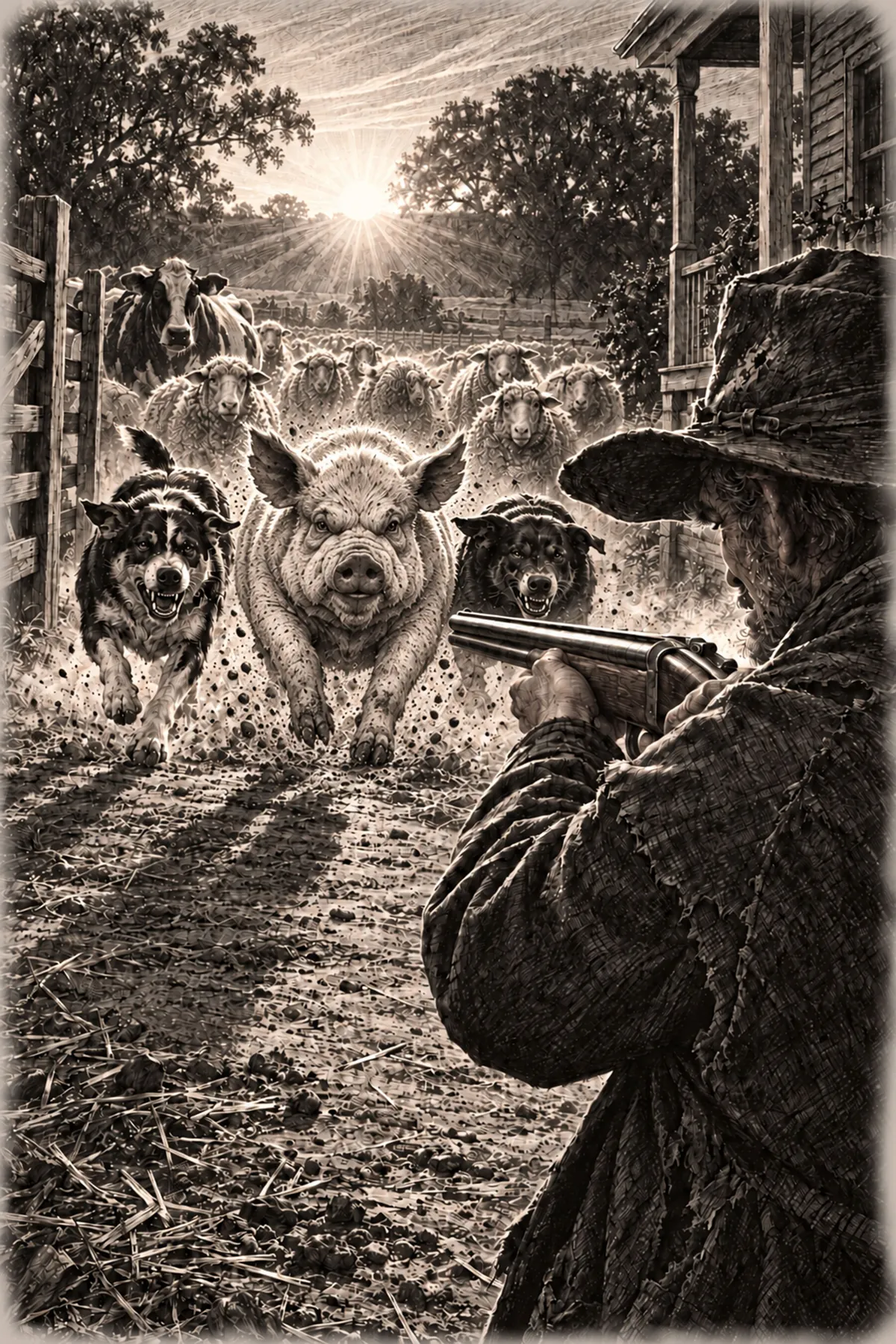
A pig charges across the farmyard between two snarling dogs, the sheep and cows behind them, straight at a farmer aiming his shotgun.

Illustration 4 of 12

Chapter 5

The Battle of Animal Sovereignty

Farmer Argine had not taken his fall from grace well. He felt that the only way to restore his name in the family was to take the farm back, by force if necessary.

Farmer Gravier, who had heard the plan at the pub, wrote a note, placed it under a rock on top of the gate posts and then shouted “Kumbaya!” at the top of his lungs before rushing off on his horse and cart. The attempted raid will occur two days hence at dawn’s first light.

Once the pigeons confirmed the attack the dogs would bark, one bark if by front gate, two if by river. As part of Milky’s strategy, the front gate was left unattended. At dawn, one bark rang out across the farm.

Argine and his men charged forward, as did the animals. It was a nasty business: Guns fired, animals fell, others attacked, men screamed. As the men rounded the farmhouse they came to a sudden stop. All the animals had disappeared.

Then animals became visible all round. Some stepped out from behind trees and bushes, others exited the barn and the farmhouse. The animals quickly moved forward and enclosed the men in an unbroken circle of animosity.

As Argine was about to cross the threshold of the gate, Joe looked to Cornhusk, who nodded almost imperceptibly. Without warning Joe rushed forward and savagely bit Argine on the calf.

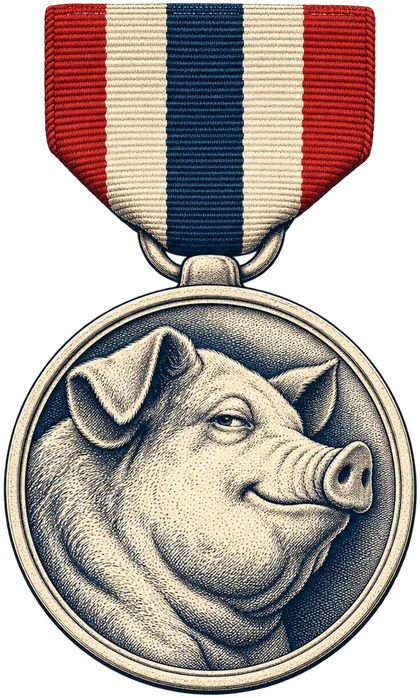
Screecher awarded Milky the newly created ‘Medal of Animal Honor’. That was, of course, until Jefferson made a sobering observation. What about them? he said, pointing to the bodies of those animals who had fallen.

Often throughout the night different animals could be seen stating, Surely the Great Shepherd is with us. They knew within themselves that they would remain free and happy forever.

To be continued

Every rule can be clarified…

But the pigs are clever with words. A white stone becomes a “dollar”, debt becomes a choice, and the paint on the barn doors never quite dries. Read what they say by the last page.

Continue the story in the book

Who’s who

The animals of Hancock Farm

Every animal owns its own field. Some, it turns out, own rather more.

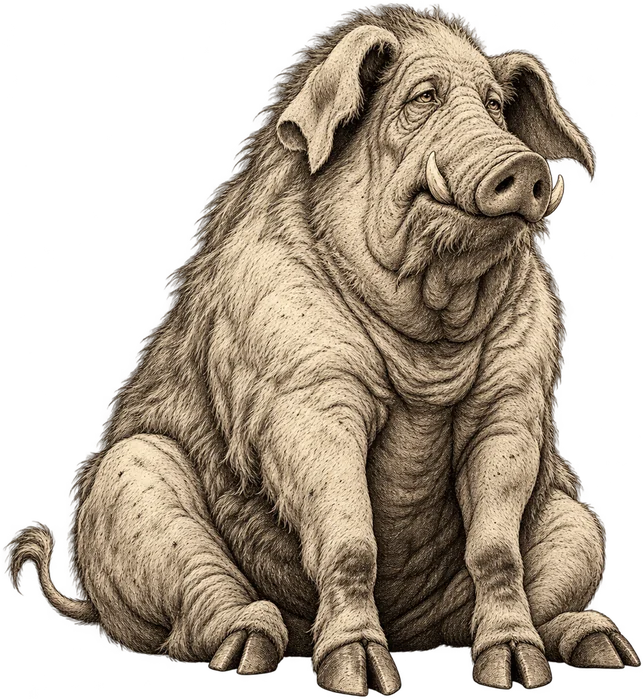
Old Adams, a huge, wrinkled old boar sitting upright

Old Adams

The old boar

One of the oldest and, the animals thought, the wisest of all animals on Hancock Farm. He simply turned up one day, exhausted and afraid.

My colleagues, you are in control of your own destiny.

Named for John Adams Founding Father and second President of the United States.

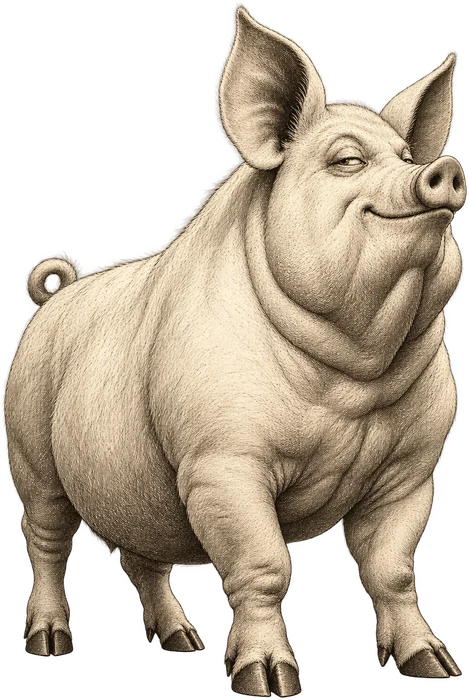
Cornhusk, a large white pig with half-closed, self-satisfied eyes

Cornhusk

Yorkshire pig

A large, white pig known for getting his own way. Respected but, if the animals were honest with themselves, also significantly feared.

The bigger the pie, the more pie for all.

Named for Cornelius Vanderbilt Business magnate who built America’s railroads, and famously sceptical of charity.

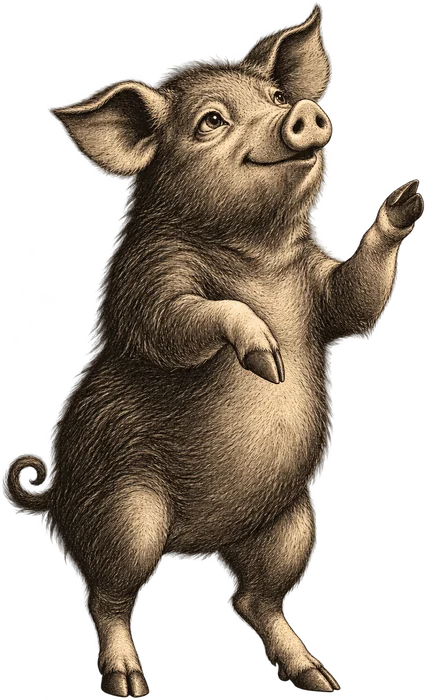
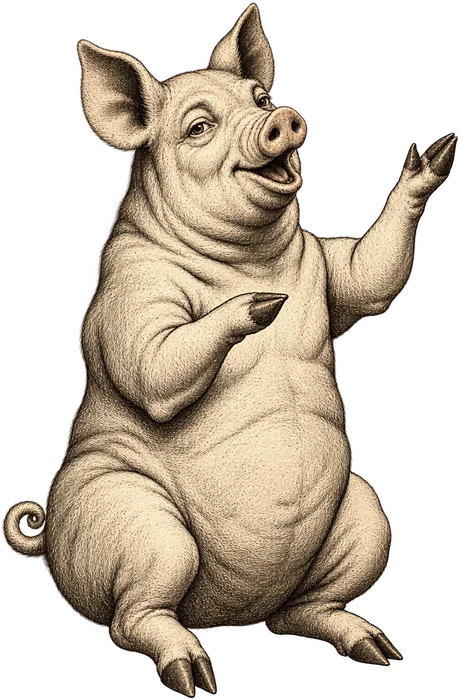
Milky, a small, round, earnest pig standing on his hind legs mid-speech

Milky

Guinea Hog

Much smaller than Cornhusk and known for his charisma: the most idealistic of all the pigs and the driving force behind Produceism.

Some things are simply worth the risk.

Named for Martin Luther King Jr Ever the idealist: the civil rights leader who fought for equality through nonviolence.

Screecher, a pig sitting upright and gesturing like an orator

Screecher

Spokes-pig

By far the most garrulous of the pigs. He knew words, and could spin the facts to create a satisfactory answer.

To me, the future of the UFA looks bright indeed.

Named for William Randolph Hearst Early media magnate who helped shape the nation’s public opinion.

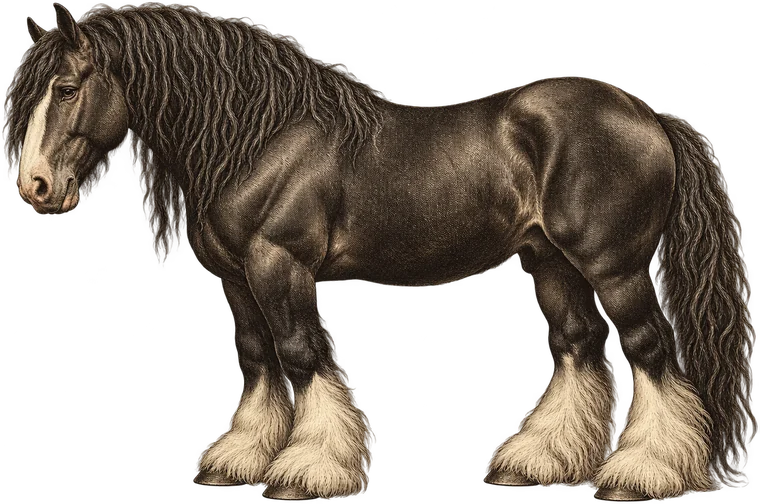
Jack, an enormous dark draft horse with a shaggy mane and white feathered hooves

Jack

Draft horse

Some twenty-odd hands high and by far the strongest animal on the farm. Steady of character, kind and gentle.

I believe in the UFA, and I believe in Cornhusk and Milky.

Named for Jack & Diane, by John Mellencamp The hit song about two working-class Midwest teenagers and the fleeting nature of youth.

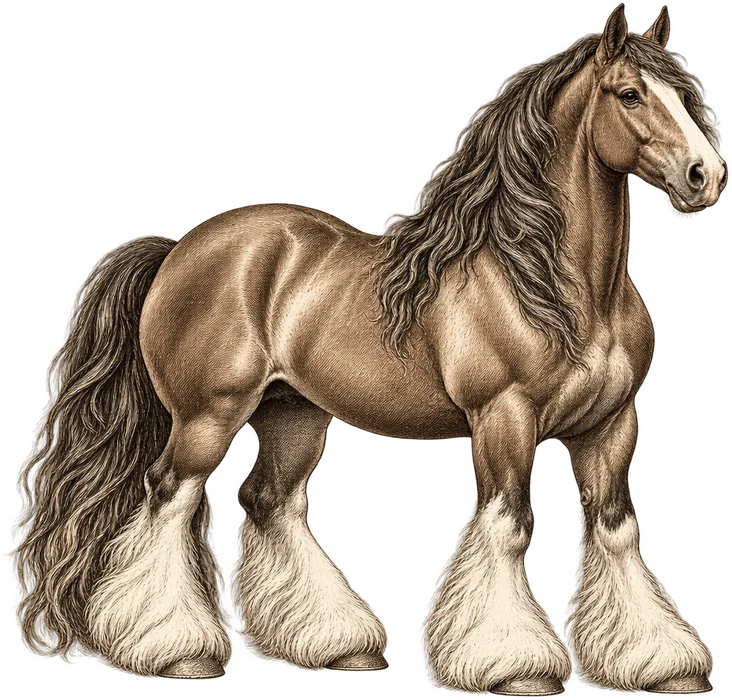
Diane, an elegant dark bay mare with a long flowing mane

Diane

Mare

A beautiful mare noticed by all, with an inexplicable confidence that if she believed something it must be true.

Named for Jack & Diane, by John Mellencamp The hit song about two working-class Midwest teenagers and the fleeting nature of youth.

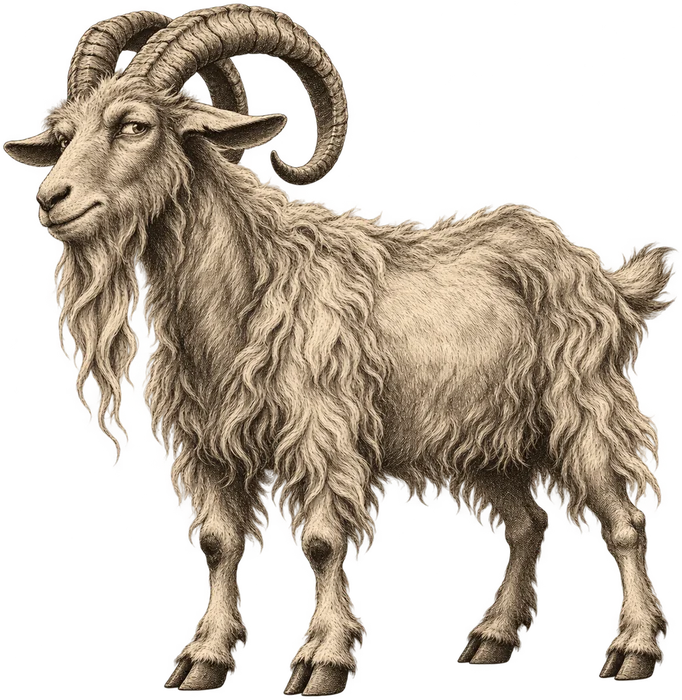
Jefferson, a shaggy old goat with great curled horns and a long beard

Jefferson

Goat

Jack’s silent Sunday companion in the back paddock. Something is always niggling at the back of his mind.

How? How will individual efforts profit us all?

Named for Thomas Jefferson Principal author of the Declaration of Independence and third President.

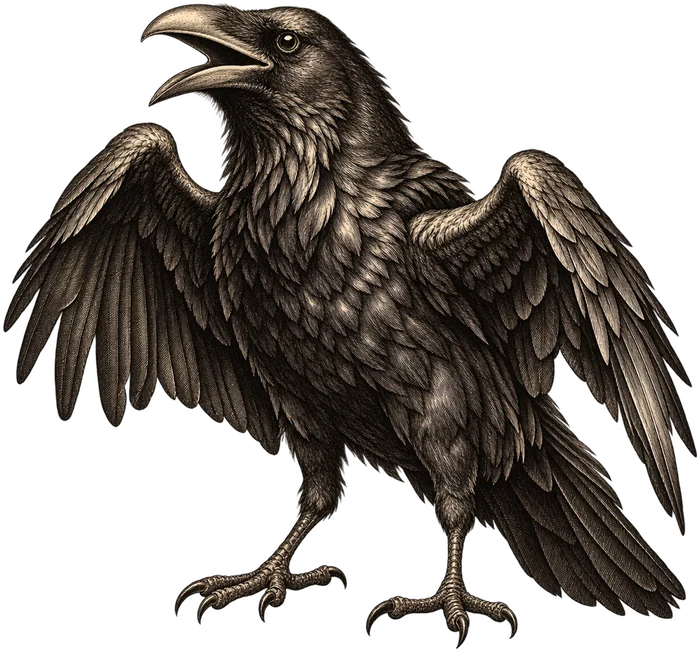
Abraham, a glossy black raven with his wings half raised

Abraham

Raven

Farmer Argine’s tame raven and the farm’s preacher of The Great Shepherd. Nobody is quite sure where his loyalties lie.

So, what are the pigs doing exactly?

Named for Abraham Lincoln Chosen less for Lincoln himself than for the biblical ring of the name.

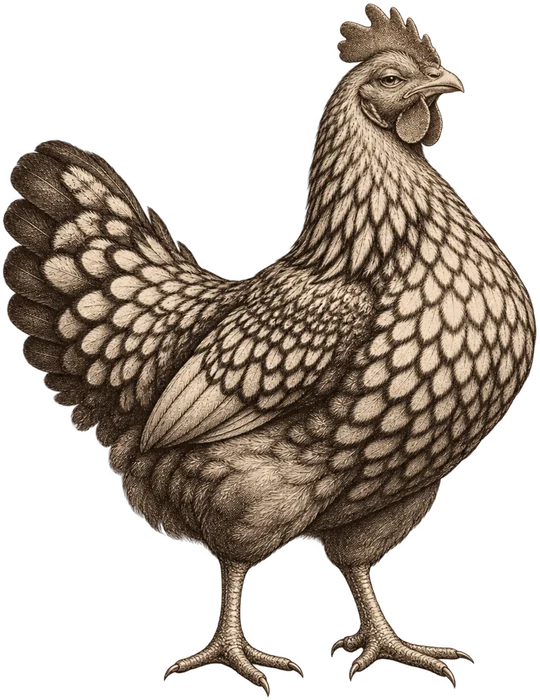
Miss Prudish, a proud speckled hen with her chest puffed out

Miss Prudish

Hen

One of the best layers in the hen house, if not the best, and keen to make sure she gets the best value for her work.

Named for Miss Prissy Foghorn Leghorn’s love interest (and occasional tormentor) in Looney Tunes.

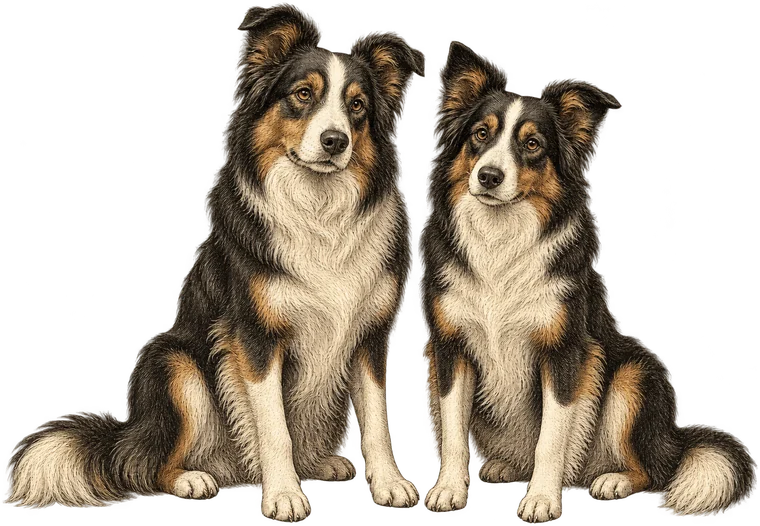
Joe and Jane, two alert tricolour farm collies sitting side by side

Joe & Jane

The farm dogs

The fastest animals on the farm and among its best readers, charged with planning the defence of the UFA.

One bark if by front gate, two if by river.

Named for G.I. Joe and G.I. Jane “G.I.” stands for Government Issue: the generic American soldier.

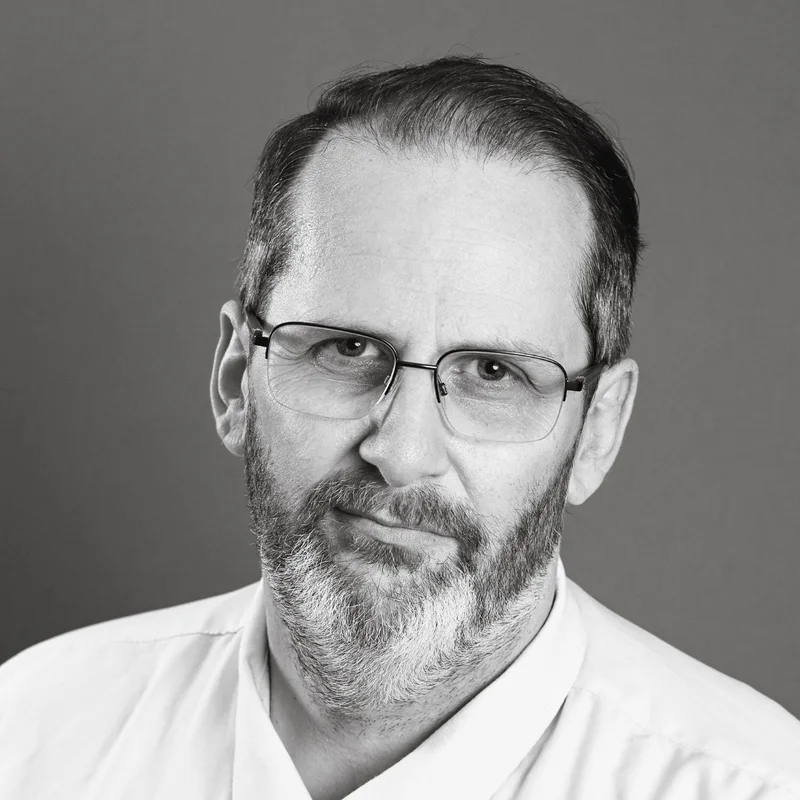
Portrait of Jordan Moir

The author

Jordan Moir

Author of The Other Animal Farm: a sharp, darkly funny companion to George Orwell’s Animal Farm, for anyone who has ever been told the pie is getting bigger.

Jordan Moir grew up talking politics. His father was a political scientist (left-leaning on economics, more conservative on some social issues) and his eldest brother studied politics too, so conversations at home often turned to the differences between conservative and liberal ideas. It is little wonder he has written a political satire.

Jordan completed a Bachelor of Management, winning the Australian Institute of Management Prize for the most outstanding graduate, and an MBA in Innovation and Leadership. He was married with three children by the time he finished, and worked three part-time jobs to get through university and pay the bills. He is now a doctoral candidate in Business Leadership.

Jordan has been married for 30 years and has six children and two grandchildren. His youngest son has 22q Deletion Syndrome and has already been through open-heart surgery, a cleft palate repair and the removal of part of a lung.

He holds a US green card and lived in America for about a year, where his family saw both the best and the worst of the country. At one point they were homeless and spent a night in their van at a gas station, until some of the most wonderful people he has ever met helped them back on their feet. In the end, his son’s health and the cost of medical care brought them home to Australia.

Making a film was a lifelong dream. Jordan wrote and directed The Samoa Deal, shot almost entirely in Samoa, where he lived for two months during filming.

Away from the desk he is a scuba diver with more than 100 dives in Victoria, New South Wales and on the Great Barrier Reef. He especially loves diving with sharks, and the great whites of Guadalupe Island are on his bucket list. He also loves reptiles: he once bred more than 50 snakes and lizards, and was trained as a teenager to remove venomous snakes from people’s houses and yards, until his wife put a stop to that after they married.

Jordan is an active member of The Church of Jesus Christ of Latter-day Saints. He served a two-year mission in Auckland, New Zealand, and is an ordained bishop.

Write to Jordan

The Other Animal Farm by Jordan Moir

Get the book

Find out what the doors say

Different farm. Different system. Same result.

Coming soon

Leave your email and we’ll let you know as soon as The Other Animal Farm is available, and where to find it.

One email when the book is out. Your address is never shared.

Write to Jordan

Write to Jordan

A question about the book, an invitation or an interview: Jordan would like to hear from you.

Your details are only used to reply to you.